
The Basics of Cocoa: From Plant to Chocolate | Bean Belt Bridge
Discover the essential basics of cocoa from plant to chocolate. Learn about the rich history, equatorial cultivation, distinct varieties, and production steps.
CACAO
Cultural History & Significance
The cultural history of cocoa is a fascinating topic deeply rooted in the history of the Maya and Aztecs. These ancient civilizations recognized the unique properties of cocoa as early as the first centuries AD. Cocoa was not only valued for its stimulating effects but was also considered sacred and integrated into religious ceremonies. The Maya consumed cocoa in the form of a bitter, spicy beverage known as 'xocolatl'. This drink was often flavored with spices and chili, giving it a complex taste that many perceived as exquisite.


For the Maya and Aztecs, cocoa held a deeper meaning that went far beyond its culinary benefits. It was regarded as the food of the gods and was used for ceremonial occasions such as weddings and religious offerings. Furthermore, cocoa played a crucial role in society, as the beans functioned as a form of currency. This unique utilization of cocoa highlights both its immense value and the cultures deeply connected to its production and consumption.
With the arrival of European explorers in the 16th century, cocoa underwent a significant transformation. European colonizers began sweetening the drink with sugar, turning it into a popular luxury among the upper echelons of society. In the 17th and 18th centuries, cocoa evolved from gourmet hot chocolate into a status symbol that satisfied the refined tastes of the wealthy classes. This transformation of cocoa from a bitter beverage in ancient Mesoamerican cultures into a highly sought-after delicacy in Europe is a remarkable aspect of its rich cultural history.


Botany, Cultivation & Terroir
The cocoa plant, scientifically known as Theobroma cacao, plays a pivotal role in chocolate production. This tropical plant thrives in a specific climate zone known as the "cocoa belt." This belt extends around the equator and encompasses countries in Latin America, Africa, and Asia where climatic conditions are ideal. The cocoa plant requires a steady temperature, typically between 20 and 30 degrees Celsius, as well as a high humidity level of at least 70 to 80 percent. This environment ensures that the plants grow healthily and produce high-quality cocoa beans.
A remarkable feature of the cocoa plant is its capacity for cauliflory (stem-flowering). This means that the flowers bloom directly on the trunk and main branches of the plant, promoting efficient pollination by insects. This is particularly important because cocoa fruits can only thrive under optimal conditions. If pollination is unsuccessful, the following year's harvest may be poor, which in turn impacts the supply of raw materials.
In addition to climatic conditions, the terroir—meaning the interaction between soil and climate—plays an essential role in determining the flavor of the cocoa. Different soils and microclimates across cultivating regions can cause the aromas of the cocoa beans to vary significantly. Consequently, the same cocoa belt can yield entirely different flavors, enriching the culinary experience of chocolate. Considering these factors is crucial for the quality of the final product and provides chocolate manufacturers with the opportunity to create unique flavor profiles.
The Three Main Cocoa Varieties
The cocoa plant, which forms the foundation of beloved chocolate products, has several variants, among which three main cocoa varieties stand out: Forastero, Criollo, and Trinitario. Each of these varieties brings unique characteristics that affect both the flavor profile and the economic aspects of chocolate production.


Forastero is the most widely cultivated cocoa variety, accounting for roughly 70% of the global cocoa harvest. This variety is renowned for its robustness and resistance to diseases and pests. Forastero typically possesses a strong, hearty flavor that is often described as less complex. Due to its high yield, Forastero is frequently utilized for the mass production of chocolate.
Criollo, on the other hand, is considered the noblest yet most fragile cocoa variety. It represents only about 5–10% of global production. Criollo offers a finer, milder flavor profile that is highly prized by cocoa aficionados. The beans of this variety often feature nuances of fruit, flowers, and other delicate aromas. Although Criollo yields are low compared to Forastero, its prices are significantly higher due to its quality and rarity.
The third major cocoa variety, Trinitario, is a hybrid of Criollo and Forastero. It combines the robustness of Forastero with the rich flavor profile of Criollo. Trinitario accounts for about 20–30% of the global cocoa harvest and is known for its diverse aromas and its ability to thrive across various soils and climate zones. This variety is increasingly used in the production of high-quality chocolates and is enjoying growing popularity among chocolatiers and connoisseurs alike.


Processing: From Harvest to the Chocolate
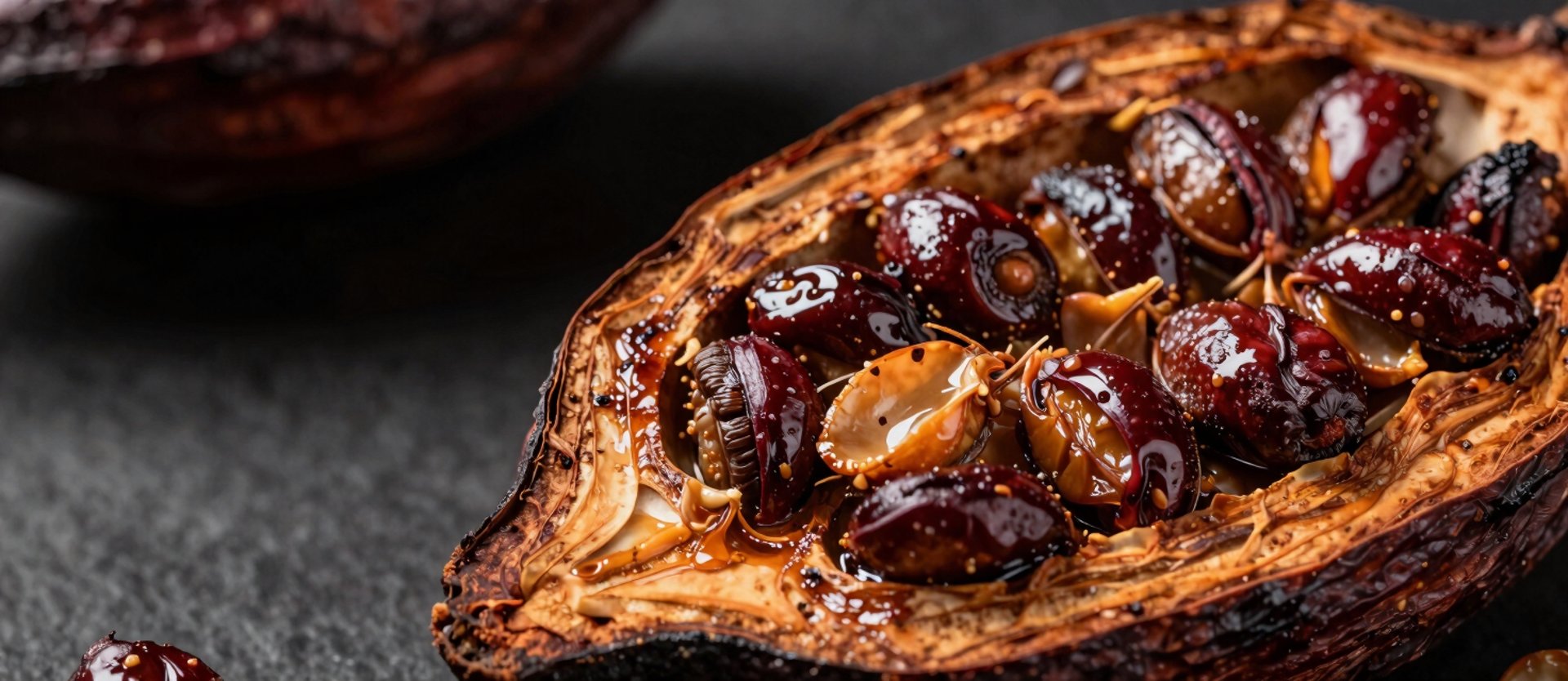
The processing of cocoa beans is a complex and meticulous journey that is critical to the quality of the manufactured chocolate. It all begins with the manual harvesting of the cocoa pods, where trained workers carefully sever the ripe fruits from the cocoa trees. These pods are then opened to extract the valuable beans, which are enveloped in a sweet, white pulp inside.
A decisive step in processing is the fermentation of the cocoa beans. This typically takes place under banana leaves or in specialized fermentation boxes. This process lasts several days and is essential for flavor development. During fermentation, microbes break down the cellular structures of the beans, leading to the development of complex chemical compounds that are ultimately crucial for the taste of the chocolate.
Following fermentation, the cocoa beans must be thoroughly dried to reduce their moisture content and prevent mold growth. This drying process can vary in duration depending on the climate and region. Once the beans are sufficiently dried, they are transported to the factory for further processing.
At the factory, the cocoa beans are roasted, which is another essential step in flavor formation. After roasting, the beans are cracked and winnowed to reveal the cocoa nibs. These nibs are then ground, resulting in cocoa liquor (cocoa mass). During this stage of processing, cocoa butter and cocoa powder are also produced, which are separated from each other by pressing the cocoa liquor.
The final step in chocolate production is the manufacturing of the finished goods, which can be divided into three main types: dark chocolate, milk chocolate, and white chocolate. Dark chocolate contains a high percentage of cocoa liquor and is known for its intense flavor. Milk chocolate, conversely, includes additional milk powder, giving it a creamier texture. White chocolate is made from cocoa butter and sugar but contains no cocoa liquor, resulting in a sweet, mild taste.


Harvesting
Start of fermenation
Drying process
Cocoa nibs
Chocolate
Cocoa butter
Cocoa powder
Grounding
The Role of Cocoa in Modern Chocolate
In today's chocolate industry, the diversity of cocoa varieties plays a crucial role. The distinct flavor profiles derived from different types of cocoa allow manufacturers to create unique and innovative chocolate products. The two primary types of cocoa, Criollo and Forastero, each bring their own characteristics: Criollo is known for its fine, complex taste, while Forastero is more robust and higher-yielding. The latter is often used in mass production, whereas Criollo is found in specialty items and premium brands.
An increasingly vital aspect of modern chocolate production is sustainability. Producers are committed to promoting environmental and social standards in cocoa harvesting. This includes fair trade practices and environmental protection. Many consumers now prefer products labeled as containing sustainably and ethically sourced cocoa, forcing manufacturers to find new sourcing options and implement transparent supply chains.
Furthermore, the innovative use of chocolate is a trend shaping the industry. Chocolate is no longer viewed solely as a sweet treat; it is also being creatively integrated into savory dishes, beverages, and modern gastronomy. This evolution opens up new flavor possibilities and appeals to a broader target audience. Popular chocolate varieties currently trending often incorporate exotic spices, fruits, and nuts that re-interpret the classic cocoa flavor.


In summary, the modern chocolate industry is heavily shaped by the diversity of cocoa varieties, sustainable practices, and innovative applications. These developments demonstrate that cocoa is not merely an ingredient, but a key factor in the success of the chocolate sector.
The Health Aspects of Cocoa
Cocoa is not only considered a delicious ingredient in chocolate making, but it also boasts remarkable health benefits. One of the main reasons for the popularity of cocoa is its rich content of antioxidants, particularly flavonoids, which are known for their positive effects on the human body. These compounds can help reduce oxidative stress by neutralizing free radicals responsible for cellular damage, thereby promoting overall health.


A particularly significant health-promoting aspect of cocoa is its positive impact on the cardiovascular system. Studies have shown that the consumption of high-quality cocoa and dark chocolate is associated with a lower risk of heart disease. The flavonoids found in cocoa can improve blood flow, lower blood pressure, and support blood vessel health. These properties help reduce the risk of strokes and other cardiovascular issues.
However, it is important to emphasize that not all cocoa-containing products offer the same health benefits. To benefit from the positive properties of cocoa, the following criteria should be met: the product should feature a high percentage of pure cocoa beans and contain as little sugar and unhealthy fats as possible. Excessive sugar and artificial additives can significantly diminish the health benefits of cocoa and lead to undesirable consequences. Therefore, it is recommended to opt for dark chocolate with a cocoa content of at least 70% to make the best possible use of cocoa’s positive effects.


Conclusion
In conclusion, the journey from the cocoa plant to the chocolate bar is a fascinating process encompassing both historical and cultural dimensions. Originally native to the tropical regions of South and Central America, cocoa has evolved over the centuries into a globally cherished commodity. The cultivation, harvesting, and processing of cocoa are critical to the quality of the chocolate that ultimately hits the market. In this regard, factors such as the cocoa varieties used, cultivation conditions, and manufacturing methods play a decisive role.
Looking ahead, the cocoa market could continue to be shaped by trends like sustainability and organic quality. Consumers are showing an increasing interest in ethically manufactured products that promote eco-friendly farming practices. The rising demand for premium chocolate will also mean that smallholder farmers and new cocoa plantations implementing innovative agricultural techniques will play a greater role.
Frequently asked questions
What are the differences between Forastero, Criollo, and Trinitario?
1. Farben und optische Merkmale
Die Sorten unterscheiden sich stark in der Form ihrer Kakaoschoten (Früchte) und der Farbe der unfermentierten Kakaobohnen im Inneren.
Forastero (Der Robuste)
Farbe der Frucht: Die Schoten sind meist grün während des Wachstums und färben sich bei der Reife kräftig gelb.
Form: Sie sind eher rundlich, dickschalig und haben eine relativ glatte Oberfläche ohne tiefe Furchen.
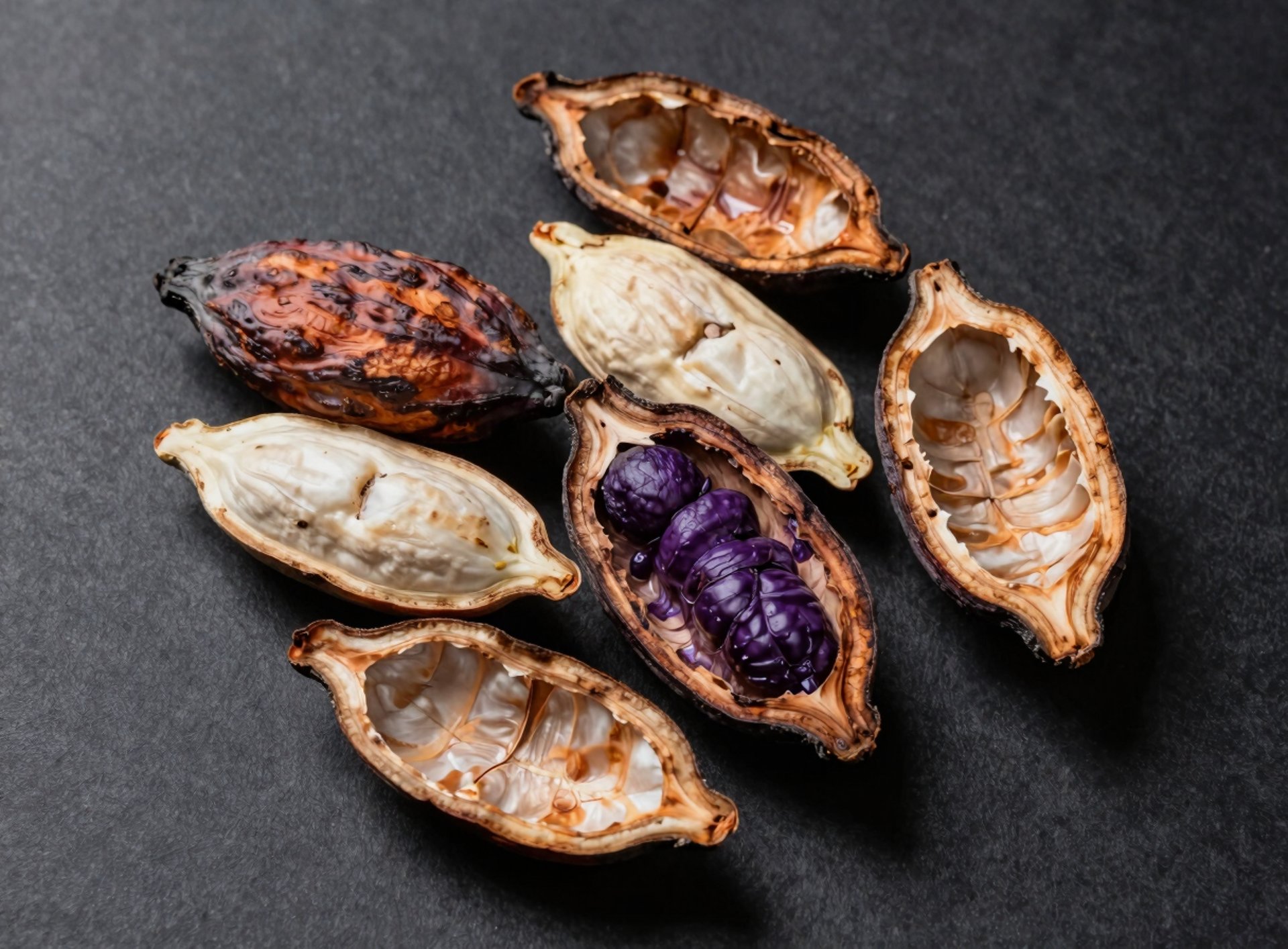
Farbe der inneren Bohne: Wenn man die frische Bohne aufschneidet, ist das Innere tiefviolett (sehr dunkel).
Criollo (Der Edle)
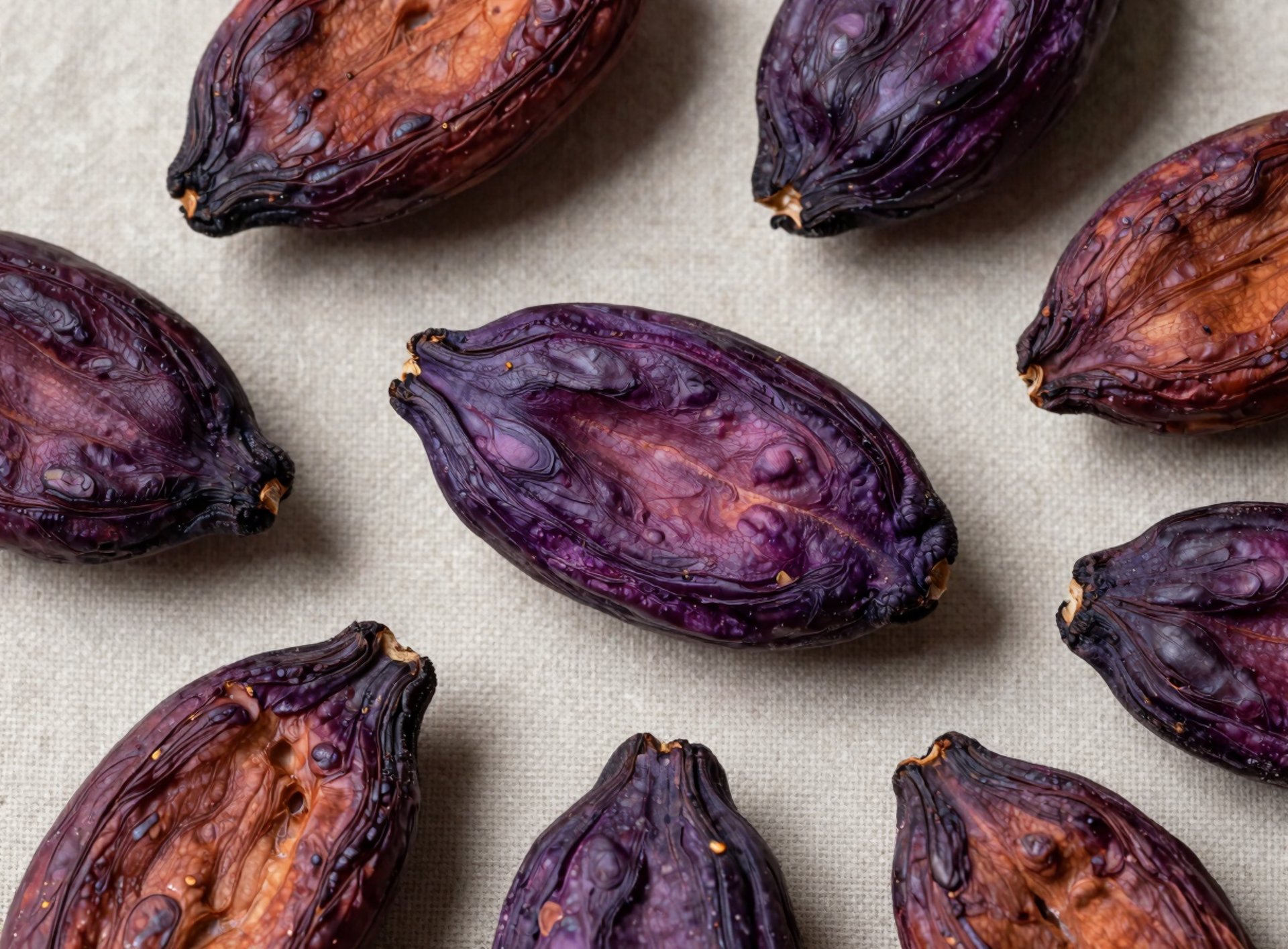
Farbe der Frucht: Criollo-Schoten sind extrem farbenfroh. Sie leuchten oft in tiefem Rot, Violett oder hellem Grün und wechseln bei der Reife zu orange-rot oder gelb.
Form: Die Früchte sind länglich, laufen spitz zu, haben eine dünne Schale und eine sehr runzlige, tief gefurchte Oberfläche.
Farbe der inneren Bohne: Das ist das absolut eindeutigste Merkmal – frisch aufgeschnittene Criollo-Bohnen sind fast schneeweiß bis ganz zart elfenbeinfarben. Sie haben kaum Farbpigmente.
Trinitario (Der Hybrid)
Farbe der Frucht: Da Trinitario eine Kreuzung aus beiden ist, findet man hier alles. Die Schoten können grün, gelb, tiefrot oder violett sein.
Form: Sie vereint die Formen – oft spitz zulaufend wie der Criollo, aber mit der dickeren, etwas glatteren Schale des Forastero.
Farbe der inneren Bohne: Die Bohnen sind meist hellviolett, rosa oder zeigen eine Mischung aus hellen und dunklen Nuancen.
What are the requirements for growing each type of cacao?
1. Forastero – Der widerstandsfähige Allrounder
Forastero ist die unkomplizierteste Kakaosorte. Weil sie extrem anpassungsfähig ist, eignet sie sich perfekt für den großflächigen Plantagenanbau.
Licht und Schatten: Forastero verträgt deutlich mehr direkte Sonneneinstrahlung als die anderen Sorten. Er wird häufig auf großen, offenen Plantagen angebaut.
Bodenansprüche: Er stellt keine extremen Ansprüche an den Boden und gedeiht auch in weniger nährstoffreichen oder strapazierten tropischen Böden (wie in weiten Teilen Westafrikas).
Resistenz: Seine größte Stärke ist die hohe Widerstandsfähigkeit gegen Schädlinge, Pilze und typische Pflanzenkrankheiten. Er verzeiht auch Pflegefehler oder schwankende Niederschlagsmengen eher als andere Sorten.
Anbauform: Häufig in Monokulturen oder sehr dichten Plantagen, um den Ertrag zu maximieren.
2. Criollo – Die anspruchsvolle Edel-Diva
Der Criollo ist das exakte Gegenteil des Forastero. Er liefert zwar die aromatischsten Bohnen, ist im Anbau aber so empfindlich, dass er extrem spezifische Bedingungen erfordert.
Perfektes Mikroklima (Terroir): Criollo braucht ein hochspezifisches Zusammenspiel aus geschützten Tälern, genau austarierten Niederschlägen und nährstoffreichen Böden (oft vulkanischen Ursprungs), um sein volles Aroma zu entfalten.
Strenger Wind- und Sonnenschutz: Die Pflanze verträgt keine pralle Sonne und keinen starken Wind. Sie muss zwingend in einer sogenannten Agroforstwirtschaft (Mischkultur) angebaut werden. Dabei spenden riesige „Kakaomütter“ (Schattenbäume wie Bananen, Mango- oder Urwaldbäume) den nötigen Schutz.
Extrem hoher Pflegeaufwand: Die Bäume sind extrem anfällig für Krankheiten (wie die Hexenbesen-Krankheit oder Pilzbefall) und Schädlinge. Bauern müssen die Bäume kontinuierlich überwachen und pflegen. Eine falsche Wetterperiode kann eine ganze Ernte vernichten.
Geringer Ertrag: Selbst unter perfekten Bedingungen wirft der Criollo deutlich weniger Früchte ab als ein Forastero-Baum.
3. Trinitario – Der optimierte Hybrid
Da der Trinitario eine Kreuzung aus beiden Welten ist, kombiniert er die Voraussetzungen und Eigenschaften beider Sorten.
Boden und Klima: Er ist extrem flexibel und hat die Fähigkeit, auf einer Vielzahl unterschiedlicher Bodentypen und in verschiedenen Mikroklimata hervorragend zu gedeihen.
Moderater Schutz: Er benötigt zwar wie der Criollo etwas Schatten und Schutz durch Mischkulturen, kommt aber mit wechselhaften Wetterbedingungen, kurzen Trockenperioden oder suboptimalen Böden deutlich besser zurecht.
Gute Resistenz bei hoher Qualität: Die wichtigste Voraussetzung für die Bauern ist hier das richtige Management der Genetik: Er wird gezielt dort angebaut, wo man die feinen Geschmacksnuancen des Criollo ernten möchte, das Risiko eines totalen Ernteausfalls durch Krankheiten aber durch die Forastero-Gene minimieren will.
Zusammenfassung für den Anbau:
Forastero: Braucht vor allem tropische Wärme; ideal für effiziente, großflächige Plantagen.
Criollo: Braucht perfekten Wind-/Sonnenschutz (Schattenbäume), nährstoffreiche Böden und intensive, manuelle Pflege.
Trinitario: Braucht ein gutes Agroforst-System, ist aber sehr flexibel, was Böden und Wetterkapriolen angeht.
Sind die nährwerte ähnlich oder sind die anders von den drei beans
Die makronährstoffliche Zusammensetzung (also der Gehalt an Fett, Kohlenhydraten und Eiweiß) ist bei den unfermentierten Rohbohnen aller drei Sorten sehr ähnlich.
Jede rohe Kakaobohne besteht von Natur aus zu etwa 50 bis 55 % aus Fett (der Kakaobutter). Der Rest teilt sich auf Ballaststoffe, Proteine, Kohlenhydrate sowie Wasser auf.
Dennoch gibt es feine, aber entscheidende Unterschiede in den gesundheitlich aktiven Inhaltsstoffen und in der Art und Weise, wie die Bohnen später verarbeitet werden.
1. Unterschiede bei den sekundären Pflanzenstoffen
Wo sich die Sorten biochemisch deutlich voneinander unterscheiden, ist der Gehalt an Theobromin (dem anregenden Stoff im Kakao) und Polyphenolen (Antioxidantien):
Forastero: Enthält die höchste Konzentration an Polyphenolen und Gerbstoffen. Das ist auch der Grund, warum er roh so extrem bitter und adstringierend (zusammenziehend im Mund) schmeckt. Aus gesundheitlicher Sicht liefert er dadurch theoretisch besonders viele Antioxidantien.
Criollo: Besitzt genetisch bedingt einen deutlich geringeren Anteil an bitteren Polyphenolen. Deshalb schmeckt er von Natur aus milder und feiner. Auch der Gehalt an dem Bitterstoff Theobromin ist beim Criollo etwas niedriger als beim Forastero.
Trinitario: Liegt als Kreuzung genau in der gesunden Mitte.
2. Der "Schokoladen-Effekt": Wie die Verarbeitung die Nährwerte verändert
Obwohl die Bohne am Baum fast identische Nährwerte hat, sieht das Endprodukt im Laden völlig anders aus. Die Sorte bestimmt nämlich, wie viel Zucker der Schokolade zugesetzt werden muss:
Forastero (Massenware)
Weil Forastero-Bohnen sehr bitter und säuerlich sind, wird bei der industriellen Verarbeitung oft sehr viel Zucker hinzugefügt, um den Geschmack für den Massenmarkt gefällig zu machen. Eine typische Vollmilchschokolade oder günstige Bitterschokolade auf Forastero-Basis hat dadurch einen schlechteren Nährwert (sehr hoher Zuckergehalt, weniger reiner Kakao).
Criollo & Trinitario (Edelschokolade)
Da Criollo und Trinitario von Natur aus kaum Bitterstoffe enthalten, benötigt eine Schokolade aus diesen Bohnen viel weniger Zucker. Eine 70%ige oder 80%ige Edelschokolade aus Criollo-Bohnen schmeckt trotz des hohen Kakaoanteils wunderbar mild, fruchtig und cremig.
Fazit: Wenn du die reinen Kakaonibs (die gebrochenen Bohnen) kaufst, sind die Nährwerte fast identisch. Wenn du Schokolade kaufst, hat die Criollo- oder Trinitario-Schokolade ernährungsphysiologisch meist die Nase vorn, weil hochwertige Manufakturen weniger Zucker einsetzen, um den edlen Eigengeschmack der Bohne nicht zu überdecken.
Do you offer [specific service inquiry]?
Unfortunately, we don't currently offer [specific service inquiry]. However, we do offer [alternative service] which might be helpful.
How can I contact you?
You can reach us by [phone number/email address/contact form link]. We are always happy to answer your questions.
Where can I learn more about you?
You can explore other sections of this website, such as the "About Us" page or our blog, to learn more about our company, mission, and team.