

Everything you need to know about roasting coffee beans | Bean Belt Bridge
Discover the science behind roasting coffee beans. From the first crack to the Agtron scale and roasting methods—master your coffee knowledge with Bean Belt Bridge.
COFFEE
Roasting coffee beans is a fascinating blend of art and science. It transforms green, virtually odorless raw beans into the aromatic, flavor-packed beans we love for our daily coffee ritual. The roasting process not only shapes the taste but also significantly influences the coffee's aroma, acidity, and body. Understanding the basics of roasting is the key to elevating your coffee experience to a whole new level.
In this guide, we will take you step-by-step through the craft: we look at the roasting process in detail—from drying to the final crack—compare the three main roast levels from light to dark, and introduce you to the most common roasting methods used both in the industry and in home kitchens.
What is the Agtron Color Scale?
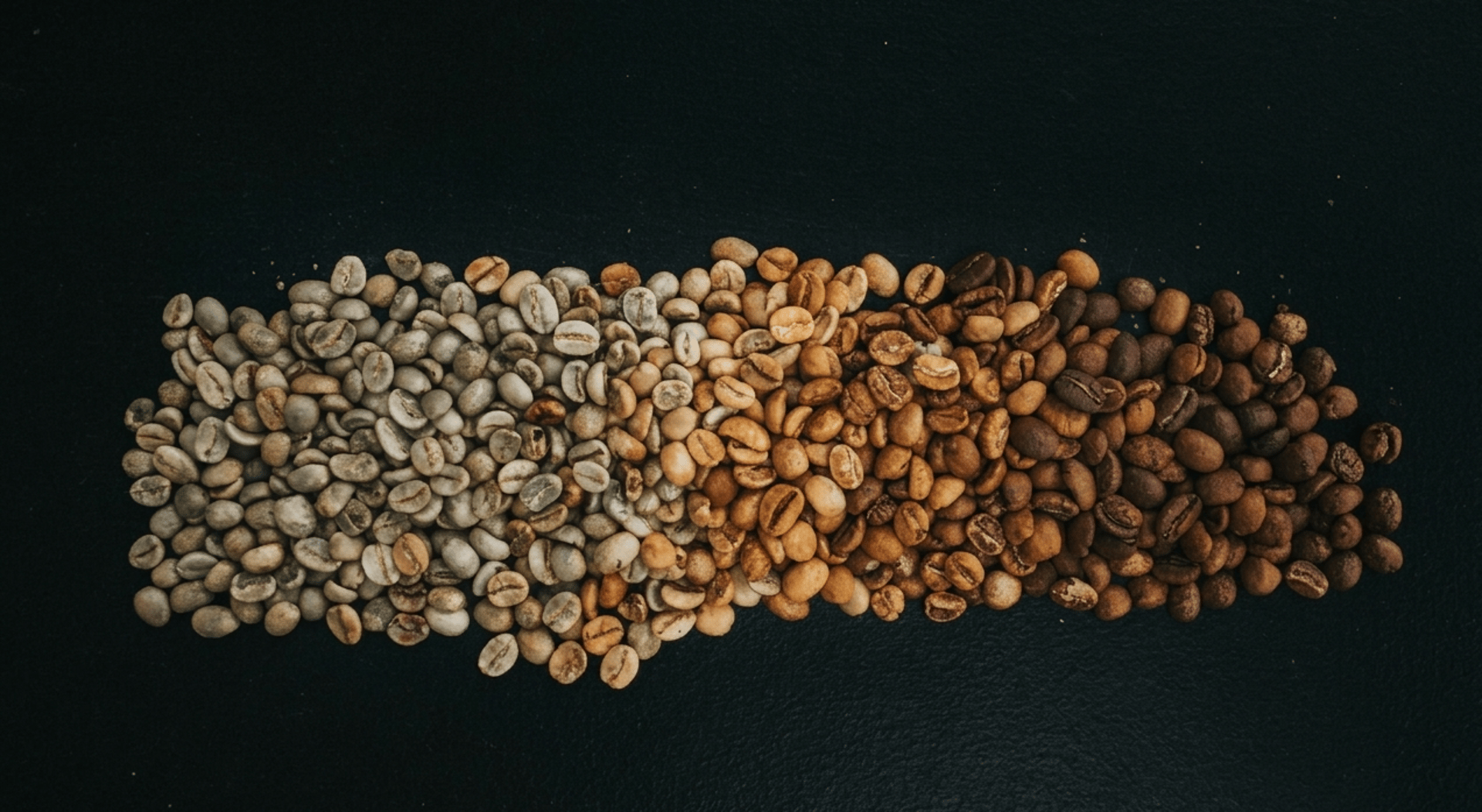
In the professional coffee industry, roast degrees are not just judged by eye, but measured objectively using the Agtron Color Scale. Agtron numbers range from around 95 (very light, pale roast) down to 25 (extremely dark, almost black roast). The lower the Agtron value, the darker the roast. It serves as the universal language for roasters to ensure absolute consistency.
1. The Roasting Process in Detail
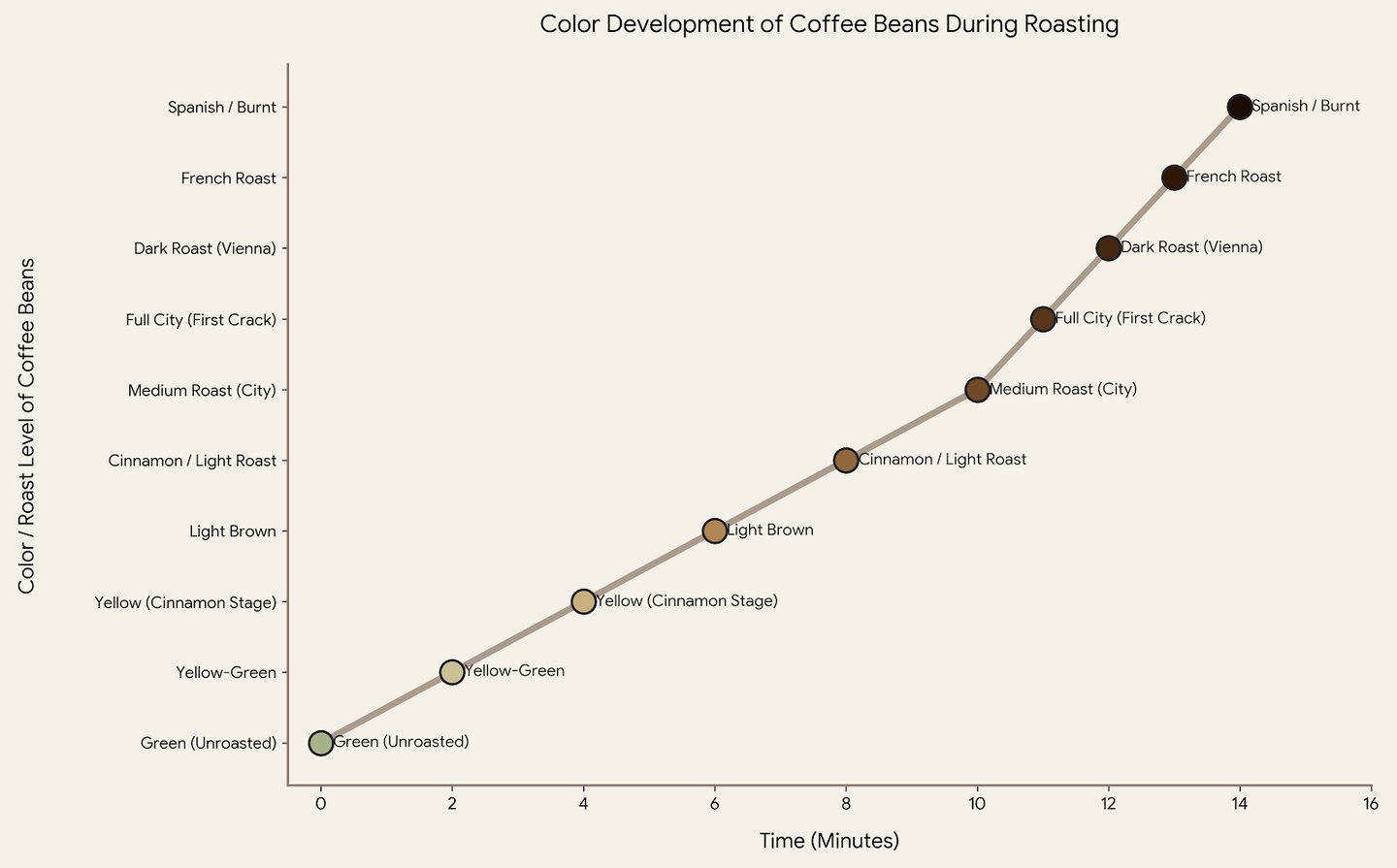
During roasting, the physical and chemical properties of green coffee beans are altered by heat. Depending on the method and desired profile, a roasting cycle usually takes between 8 and 20 minutes and typically passes through these five crucial phases:
Phase 1: Drying Phase
At the beginning, raw beans contain about 10–12% moisture. In the first few minutes inside the roaster, this moisture must evaporate.
Appearance: The beans change color from grass-green to a pale yellow.
Aroma: It smells pleasantly of hay or baked bread.
Phase 2: The Browning Phase & Maillard-Reaction
From around 160°C (320°F), the famous Maillard reaction sets in—a chemical reaction between amino acids and reducing sugars that is also responsible for the browning when baking bread or searing meat.
Significance: This is where the complex flavors and the typical brown color develop.
Sugar Caramelization: Shortly after, the sugars inside the bean begin to caramelize, giving the coffee its sweetness and body.
Phase 3: The First Crack
At around 196–200°C (385–392°F), it happens: the remaining water inside the bean evaporates instantly, internal pressure builds up massively, and the cell structure bursts open.
Sound: A distinct cracking noise, similar to popping popcorn.
Significance: From this moment on, the coffee is theoretically drinkable. Light roasts are often terminated shortly after the first crack to preserve the delicate fruit acids and the unique origin character of the bean.
Phase 4: The Development Phase
In this phase, the flavors mature in detail, and the roast master decides on the final character of the coffee. The longer the beans remain in the roaster now, the more acidity is broken down, and the more bitterness and roasted aromas develop. Roasters must monitor time and temperature with extreme precision here to prevent over-roasting (which results in an unpleasantly bitter taste).
This is precisely where we align ourselves fully with our customers' wishes: right at the quotation stage, we precisely tailor the exact roasting profile to your target group and individual specifications to hit the exact flavor your product requires. Share your guidelines with us, and we will create a sample exactly according to your roasting profile so you can see the quality of our precise work for yourself.
Phase 5: The Second Crack (Optional)
If the heat application is continued even further (up to approx. 225°C / 437°F), the beans crack a second time. This time, the actual woody structure of the bean breaks, and coffee oils migrate to the surface.
Result: Very dark, oily-shiny beans with a bold, smoky profile.


2. The Three Main Roast Levels
Depending on the phase in which the roasting process is stopped, a distinction is made between three classic roast levels. They can be precisely categorized using the Agtron Color Scale:


First Roasted Grade
Roast Level:
Light
Agtron Scale Value:
Approx. 70 – 95 (High value = light color)
Typical Names:
Cinnamon, New England, Filter
Flavor Profile:
Fruity, floral notes, pronounced acidity, high bean-origin character. Retains origin flavors.
Ideal For:
Filter coffee, AeroPress, light-roast espresso
Second Roasted Grade
Third Roasted Grade
Roast Level:
Light
Agtron Scale Value:
Approx. 50 – 65 (Balanced value)
Typical Names:
City, Full City, Medium
Flavor Profile:
Balanced and well-rounded. Acidity decreases while sweetness and chocolatey notes increase.
Ideal For:
Automatic coffee machines, portafilters (espresso machines), French Press
Roast Level:
Dark
Agtron Scale Value:
Approx. 25 – 45 (Low value = dark color)
Typical Names:
French, Italian, Espresso, Spanish
Flavor Profile:
Bold, bittersweet, dominant smoky or roasted notes, barely perceptible acidity.
Ideal For:
Classic espresso, cappuccino (cuts through milk excellently)
3. The Most Common Roasting Methods
There are different technical approaches to roasting coffee beans. Each method transfers heat differently, creating a distinct flavor profile:


Drum Roasting
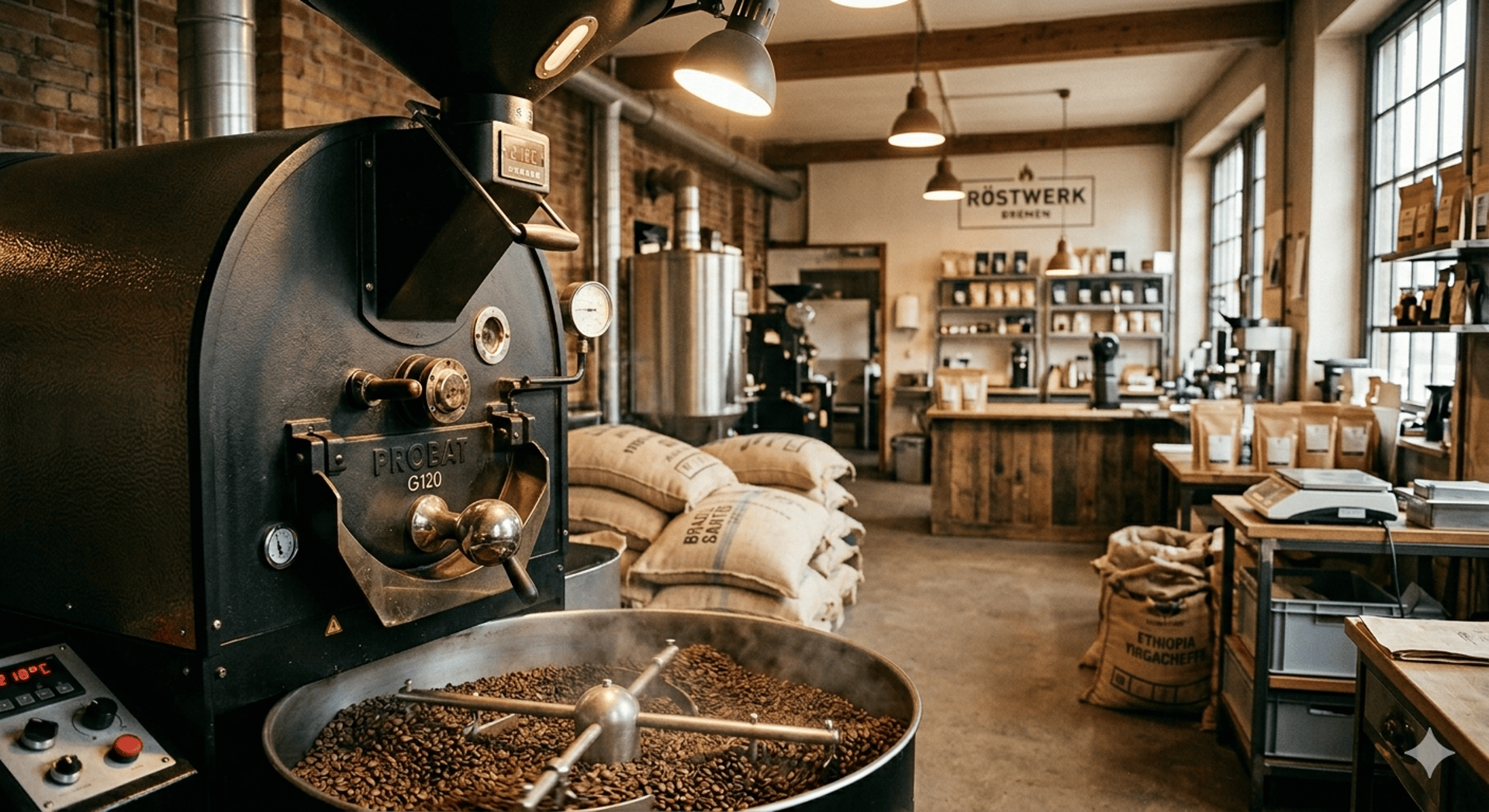
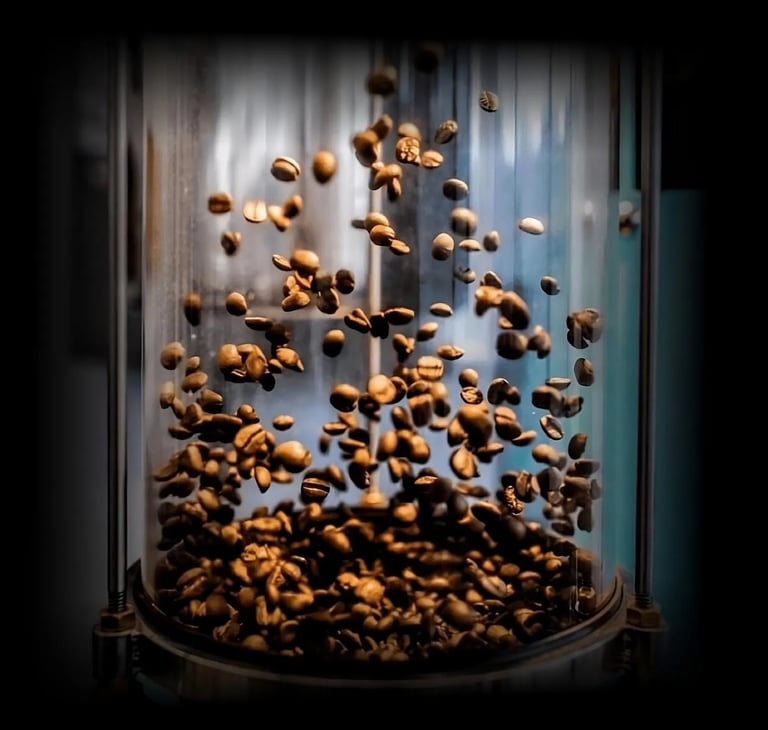
The beans are placed in a rotating drum that distributes the heat particularly evenly. This method delivers highly consistent results and is preferred by most professional specialty roasters. Due to the slow roasting process, unwanted, aggressive acids (such as chlorogenic acid) are broken down very effectively. The coffee develops more body, richness, and pronounced chocolatey or nutty aromas.
Air Roasting (Fluid-Bed)
In this process, the beans are suspended in a stream of hot air and roasted extremely fast. This technique is known for highlighting the inherent, delicate fruit and origin flavors of the bean with exceptional clarity. Due to its enormous time efficiency, with roasting times often lasting only 2 to 5 minutes, this method is particularly favored in large-scale industries. This short exposure to heat preserves the bean's natural fruity and floral acids. The result is a very clean and bright-tasting coffee, which, however, tends to have slightly less body.
Pan Roasting
The traditional, primal approach to coffee roasting, where the beans are processed in a pan over direct heat. Since heat transfer here occurs exclusively through direct contact with the hot bottom of the pan, this method requires continuous, active stirring. This is the only way to prevent uneven roasting or scorching of the beans. Pan roasting brings out a very rustic, robust character, but requires a lot of intuition and skill—making it ideal for adventurous home roasters who want to experience the craft from scratch.


Conclusion: Optimize Your Coffee Experience
Roasting coffee beans is an enjoyable journey that requires patience, practice, and a spirit of experimentation. The more familiar you become with the individual roasting phases and methods, the greater your appreciation for your morning cup of coffee will be. Whether you prefer a light, fruity roast or a robust, smoky espresso blend—refining your roasting knowledge elevates your coffee consumption to a whole new level.
Secure your green coffee beans, submit your own roasting profile to us, and start your perfect coffee project with us today!